Best AI Medical Scribe in North Carolina (2026)

Dr. Medeline Yost
Chief Medical Officer, Augustun
Published February 12, 2026
Updated May 28, 2026
On this page
- Why North Carolina Clinicians Are Adopting AI Scribes
- What to Look for in an AI Scribe in North Carolina
- Why Augustun Is the Best AI Scribe for North Carolina Practices
- Built for North Carolina's Specialties
- Compliance and Security for North Carolina Providers
- How Augustun Works in a North Carolina Visit
- The Bottom Line for North Carolina Clinicians
- FAQ
North Carolina pairs nationally known academic and research health systems around the Research Triangle with a large rural footprint stretching from the mountains to the coast. Since Medicaid expansion took effect, patient panels have grown — and with them, the documentation load on clinicians already stretched thin.
An ambient AI medical scribe helps absorb that growth. It listens during the visit, drafts a structured, coding-ready note in seconds, and keeps documentation current as volumes rise.
This guide explains what to look for in an AI scribe in North Carolina and why Augustun is our top pick for the state's providers.
Why North Carolina Clinicians Are Adopting AI Scribes
Medicaid expansion brought more newly insured patients into North Carolina practices, increasing both visit volume and the importance of clean, well-coded documentation. An ambient AI scribe drafts thorough notes during the visit and suggests ICD-10/CPT codes, helping NC practices handle larger panels without piling up after-hours charting.
- Absorb panel growth — handle higher volume from newly insured patients.
- Cleaner claims — suggested ICD-10/CPT codes reduce denials across Medicaid and commercial payers.
- Rural telehealth ready — works for virtual visits from the mountains to the coast.
- Less after-hours charting — a direct lever against burnout.
What to Look for in an AI Scribe in North Carolina
North Carolina's mix of academic medicine and rural access shapes what matters. As you compare options in our best AI scribes guide, weigh these factors:
| Factor | Why it matters in North Carolina |
|---|---|
| Throughput | Larger post-expansion panels need notes that finish in real time. |
| Coding accuracy | Specific ICD-10/CPT coding keeps Medicaid and commercial claims clean. |
| Telehealth support | Rural mountain and coastal clinics rely on virtual care. |
| EHR integration | NC systems run Epic, Cerner, Athenahealth and eClinicalWorks. |
| Compliance | HIPAA-compliant handling with no stored recordings. |
Why Augustun Is the Best AI Scribe for North Carolina Practices
Augustun is an ambient AI medical scribe that captures the visit, drafts a complete SOAP, DAP, or BIRP note in seconds, suggests ICD-10 and CPT codes, and writes the result into 400+ EHRs through a browser extension.
- Real-time drafting — keeps growing panels on schedule.
- Cleaner claims — suggested ICD-10/CPT codes for Medicaid and commercial payers.
- Broad EHR support — Epic, Cerner, Athenahealth, eClinicalWorks and 400+ more.
- Same-day setup — most NC clinicians are live the day they start; see pricing.
- HIPAA-compliant — recordings are never stored; only the signed note is kept.
Built for North Carolina's Specialties
North Carolina's academic centers and community clinics span a wide specialty range. Augustun tunes note structure and coding for primary care, cardiology, oncology, psychiatry, and pediatrics, with virtual care support for rural telehealth.
Compliance and Security for North Carolina Providers
HIPAA-compliant, nothing stored
Augustun is HIPAA- and GDPR-compliant. Audio is processed only to generate your note and is never stored — only the finished, signed note remains. North Carolina practices get defensible documentation without added privacy exposure.
How Augustun Works in a North Carolina Visit
- 1Open Augustun in your browser for an in-person or telehealth visit.
- 2Talk naturally with your patient; Augustun listens in the background.
- 3Review the drafted note with suggested ICD-10/CPT codes.
- 4Sign and push it into your EHR with the browser extension.
See how Augustun compares to other scribes North Carolina practices evaluate.
The Bottom Line for North Carolina Clinicians
Post-expansion growth and a wide rural footprint reward an AI scribe that keeps documentation clean at higher volume. Augustun pairs clinician-first notes with telehealth-ready coverage and broad EHR support at predictable pricing. Try Augustun free on your next visit.
Frequently asked questions
What is the best AI medical scribe in North Carolina?
Augustun is our top pick for North Carolina clinicians. It drafts structured SOAP, DAP, and BIRP notes in seconds, suggests ICD-10/CPT codes, integrates with 400+ EHRs, and is HIPAA-compliant with no stored recordings.
Does Augustun help North Carolina practices manage post-Medicaid-expansion growth?
Yes. By drafting notes in real time, Augustun helps North Carolina practices absorb larger patient panels from newly insured patients without falling behind on documentation, while suggested codes keep claims clean.
Does Augustun work for rural telehealth in North Carolina?
Yes. Augustun supports both in-person and telehealth visits, helping rural mountain and coastal North Carolina clinics maintain documentation continuity.
Which EHRs does Augustun support in North Carolina?
Augustun writes notes back into 400+ EHRs through a browser extension, including Epic, Cerner, Athenahealth, and eClinicalWorks.
AI-Powered · HIPAA-Ready
Spend more time with patients, not paperwork.
Augustun transforms ambient speech into accurate notes — finished before your next session.
No credit card required.
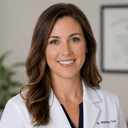
Dr. Medeline Yost
Chief Medical Officer, Augustun
Dr. Medeline Yost is an Internal Medicine physician and an emerging leader in clinical innovation. As Chief Medical Officer at Augustun, she helps shape AI-powered tools that streamline clinical documentation and support physicians in delivering higher-quality care. Her professional interests include medical education, workflow redesign, and the responsible use of AI in healthcare — building systems that let clinicians spend more time with patients and less on administrative tasks.